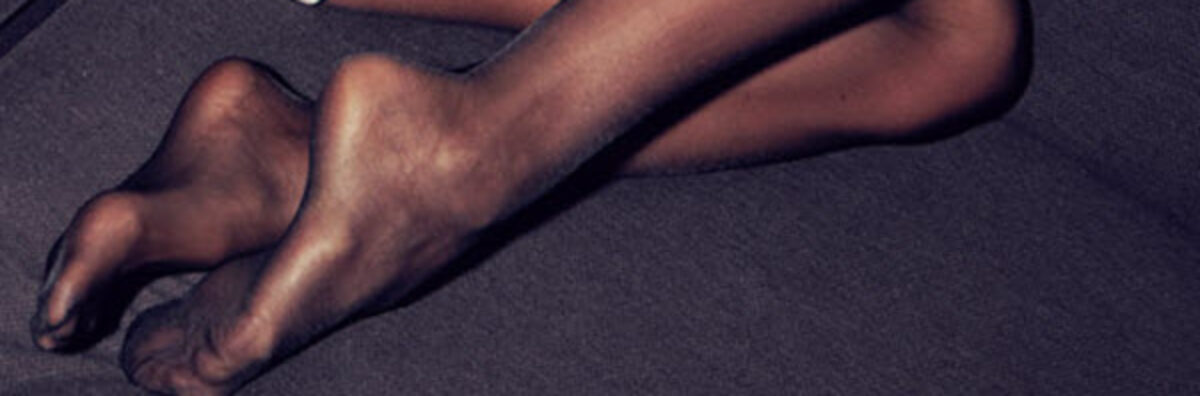
Pantyhose Fetish Explained — The History, Psychology, and Fascination Behind Hosiery Attraction
Pantyhose have been a staple of fashion for decades, admired for their elegance, versatility, and ability to complement a wide variety of clothing styles. For most people, they are simply another item of clothing worn for fashion, warmth, or professional appearance. For others, however, pantyhose hold a much deeper appeal that goes beyond their everyday function. This interest, commonly referred to as a pantyhose fetish or hosiery fetish, is one of the more frequently discussed clothing-related fetishes in psychology and online communities.
Although the subject is often misunderstood, psychologists generally view it as another example of the incredible diversity found in human attraction. Like many fetishes, there is no single explanation for why it develops. Instead, researchers believe it results from a combination of early experiences, sensory preferences, cultural influences, and the brain’s remarkable ability to build lasting associations between emotions and visual experiences.
In this article, we’ll explore the history of pantyhose, examine the psychology behind hosiery attraction, discuss how researchers believe these preferences develop, and separate common myths from established scientific understanding.
The History of Pantyhose and How They Changed Fashion
To understand why pantyhose have become the focus of attraction for some people, it helps to understand their place in fashion history. Long before modern pantyhose existed, stockings were already an important part of clothing throughout Europe. During the Middle Ages and Renaissance, stockings were worn by both men and women and were often made from wool, silk, or other finely woven materials. In many societies, quality stockings were considered signs of wealth because only affluent families could afford luxurious fabrics.
Everything changed in the twentieth century with the invention of synthetic fibers. In 1938, DuPont introduced nylon, creating a lightweight, durable alternative to silk. Nylon stockings quickly became one of the most popular fashion products ever introduced. Their smooth texture, subtle shine, and affordability made them highly desirable, and demand skyrocketed almost overnight.
The introduction of pantyhose in the 1960s represented another major shift in fashion. As skirts became shorter during the decade, traditional stockings and garter belts became less practical. Pantyhose provided a convenient all-in-one solution while maintaining the polished appearance that many women preferred. Their popularity grew rapidly, and they soon became common in workplaces, schools, formal events, and everyday fashion.

For several decades, pantyhose were strongly associated with elegance, professionalism, confidence, and sophistication. Those cultural associations continue to influence how many people perceive them today.
What Makes Pantyhose Visually Appealing?
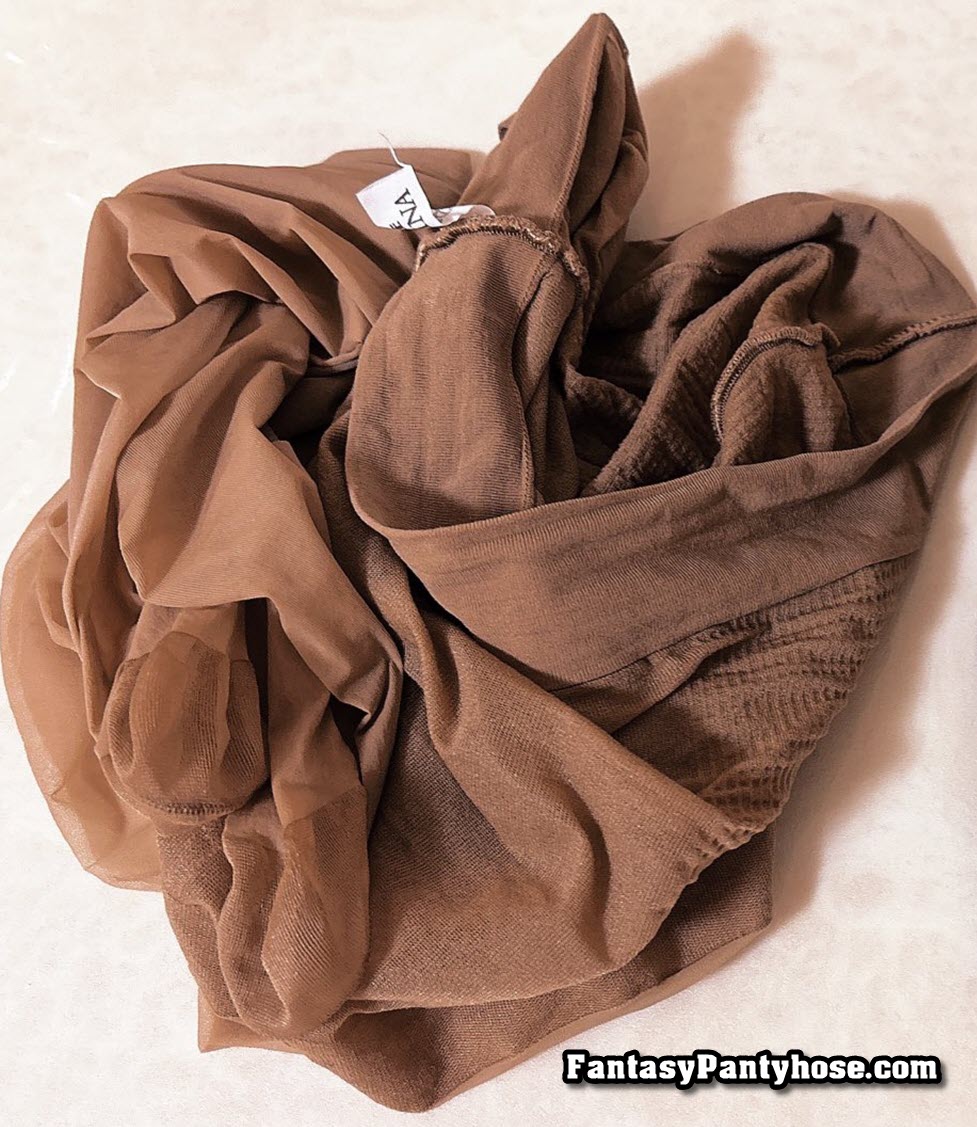
One reason pantyhose attract attention is their unique visual effect. Unlike many other fabrics, sheer hosiery subtly changes the appearance of the skin without completely covering it. Depending on the material and thickness, pantyhose can create a smoother, more even appearance while allowing natural skin tone to remain visible.
Light also interacts with sheer fabric differently than with bare skin. Many styles produce a soft, understated sheen that changes as lighting conditions shift. Designers have used this quality for decades because it enhances the overall appearance of an outfit without becoming overly reflective or distracting.
Pantyhose also influence the way clothing fits and moves. Dresses, skirts, and formal attire often drape differently over hosiery than over bare skin, creating a smoother silhouette. For some individuals, the attraction lies in this complete visual presentation rather than in the garment itself.

Fashion trends have reinforced these impressions over many years. Advertising campaigns, magazines, television, and films frequently portrayed pantyhose as part of polished professional wardrobes or elegant evening attire. Repeated exposure to these images may help explain why some people associate hosiery with confidence, style, and sophistication.
The Importance of Texture and Sensory Experience
While appearance is certainly important, many people who describe a pantyhose fetish also mention texture. Nylon and similar synthetic fibers create tactile sensations that differ significantly from natural fabrics such as cotton or wool.
Pantyhose typically feel smooth, lightweight, and slightly elastic. They stretch comfortably while closely conforming to movement, creating a unique interaction between the fabric and the body. For individuals who naturally pay close attention to tactile experiences, these characteristics may become an important part of the attraction.
Psychologists often point out that humans naturally respond to texture in many areas of life. People have favorite blankets, preferred clothing materials, comfortable furniture fabrics, and even favorite types of paper. These preferences demonstrate how strongly touch influences emotion. Attraction to hosiery may represent another example of the brain assigning positive emotional significance to a particular sensory experience.
Texture and appearance frequently work together rather than independently. The visual impression of smoothness often reinforces the tactile qualities people associate with nylon-based fabrics, creating a richer overall experience.
The Psychology Behind Pantyhose Fetishes
Like most fetishes, hosiery attraction is believed to develop gradually rather than appearing suddenly. Modern psychology emphasizes that attraction results from interactions among biology, learning, memory, personality, and environment rather than from any single event.
One widely accepted explanation is associative learning. During adolescence, the brain forms long-lasting attraction patterns while also storing emotionally significant memories. If certain visual or sensory experiences consistently occur during emotionally important moments, the brain gradually strengthens those associations.

For example, admiration for fashion, elegance, confidence, or professionalism may repeatedly coincide with seeing pantyhose as part of a complete outfit. Over time, those repeated experiences can strengthen the emotional significance of the garment itself.
Memory also plays an important role. Human memories are not stored as isolated facts but as networks of connected sights, sounds, emotions, textures, and experiences. Because of this, clothing can become associated with comfort, admiration, confidence, nostalgia, or other positive emotions without the individual consciously realizing how those connections developed.
Researchers generally agree that these associations occur naturally and are not something people intentionally choose.
How Does a Pantyhose Fetish Develop?
Most psychologists believe that attraction patterns begin taking shape during adolescence and early adulthood. This developmental period is when the brain is especially responsive to emotional learning and repeated experiences.
For some people, an appreciation of pantyhose begins through an interest in fashion or clothing design. Others may simply find the appearance aesthetically pleasing. As those impressions are reinforced over time through repeated exposure, the brain gradually strengthens the connections.

Media has likely played a role as well. Throughout the latter half of the twentieth century, pantyhose were prominently featured in advertising, television, films, and magazines. Because they became strongly associated with professionalism, elegance, and formal fashion, many individuals encountered similar visual themes repeatedly over many years.
It is important to recognize that no single developmental path applies to everyone. Some individuals remember specific experiences connected to their attraction, while others simply realize the preference has always been part of their overall interests.
Common Myths and Misconceptions
One of the most common misconceptions is that a pantyhose fetish is identical to a nylon fetish. Although the two frequently overlap, they are not exactly the same. A pantyhose fetish generally focuses on a particular garment, whereas a nylon fetish centers on the characteristics of the material itself. Because pantyhose are commonly made from nylon blends, the interests naturally intersect but remain distinct.

Another misunderstanding is that attraction to pantyhose automatically replaces attraction to people. Psychological research does not support this assumption. Most individuals who identify with hosiery fetishes continue to value emotional intimacy, personality, trust, humor, shared interests, and many other aspects of relationships. The garment simply becomes one additional element of attraction.
There is also a misconception that clothing fetishes are rare or unusual. While exact numbers are difficult to determine, psychologists have documented clothing-related fetishes for decades, and hosiery remains one of the most commonly discussed examples.
Interesting Facts About Pantyhose
Pantyhose have undergone significant technological improvements since their introduction. Modern manufacturing allows companies to produce fabrics with varying degrees of transparency, elasticity, durability, moisture control, and softness. These differences have expanded the range of products available while giving consumers many more choices than earlier generations had.
Fashion historians often note that pantyhose played an important role in changing workplace fashion during the twentieth century. They became part of standard business attire in many industries and remained a common component of professional dress for decades.
Collectors also appreciate vintage hosiery because older manufacturing methods produced textures, finishes, and construction techniques that differ from many modern products. This has created a niche interest among fashion historians and textile enthusiasts who study the evolution of clothing design.
Who Experiences Pantyhose Fetishes?
Published research indicates that hosiery fetishes are reported more frequently by men than women, although people of every gender have described similar interests. Because many individuals prefer to keep their attractions private, determining precise prevalence is difficult, but psychologists generally recognize clothing-related fetishes as a well-documented aspect of human diversity.
The intensity of attraction varies widely. Some individuals simply find pantyhose especially elegant or aesthetically pleasing, while others consider them a much stronger component of their overall attraction. There is no single pattern that applies to everyone.
Mental health professionals generally view pantyhose fetishes as part of the normal range of human sexual diversity when they involve consenting adults and do not create distress or interfere with everyday life. For most people, the preference exists alongside healthy relationships, careers, and social lives, representing only one aspect of their broader pattern of attraction.
Final Thoughts
Pantyhose have occupied a unique place in fashion history for more than half a century. Their distinctive appearance, texture, and cultural symbolism have made them far more than simple clothing for many people. Whether viewed through the lens of psychology, fashion history, neuroscience, or textile design, hosiery attraction demonstrates how human preferences develop through the interaction of biology, memory, culture, and personal experience.

Although researchers continue exploring the many factors that influence attraction, one conclusion has become increasingly clear: human interests are remarkably diverse. Pantyhose fetishism provides another fascinating example of how sensory experiences, emotional memories, and cultural influences can combine to create lasting patterns of attraction that are as individual as the people who experience them.